Italian Lesson: The Verb “Avere” (To Have)

Hello students! In a previous lesson, we explored the verb “essere” (to be). Today, we’ll dive into another fundamental verb in the Italian language: “avere,” which translates to “to have” in English. This verb is central in many expressions and also serves as an auxiliary verb for many compound tenses.
1. Conjugation in the Present Tense
Like “essere,” the verb “avere” is irregular. Here’s how you conjugate “avere” in the present tense:
- Io ho = I have
- Tu hai = You have (informal singular)
- Lui/Lei ha = He/She has
- Noi abbiamo = We have
- Voi avete = You have (plural or formal singular)
- Loro hanno = They have
Examples:
- Io ho un libro. = I have a book.
- Lui ha una bicicletta. = He has a bicycle.
- Voi avete una macchina. = You have a car.
2. Uses of “Avere”
a. Possession: Indicating that someone has something.
- Ho una sorella. = I have a sister.
- Maria ha un gatto. = Maria has a cat.
b. Age: Unlike English, where we use “to be” to indicate age, in Italian, we use “avere.”
- Ho 30 anni. = I am 30 years old.
- Quanti anni hai? = How old are you?
c. Physical Sensations:
- Ho fame. = I am hungry.
- Ha freddo. = He is cold.
d. As an Auxiliary Verb: “Avere” is used with many verbs to form compound tenses.
- Ho mangiato. = I have eaten.
- Hai visto il film? = Have you seen the movie?
3. Tips and Notes:
- Beware of the difference between “essere” and “avere” as auxiliary verbs. Some verbs use “essere” while others use “avere.” The choice often depends on the nature of the verb (transitive vs. intransitive) and its meaning in the sentence.
- Many common expressions in Italian use “avere” where English would use “to be.” For example, “avere freddo” means “to be cold,” not “to have cold.”
Homework: Construct five sentences using the verb “avere.” Try to include different contexts like possession, age, or physical sensations.
And that wraps up our lesson on “avere.” Practice using and conjugating this verb regularly, and it will soon become a staple in your Italian vocabulary! Grazie and see you in our next lesson!
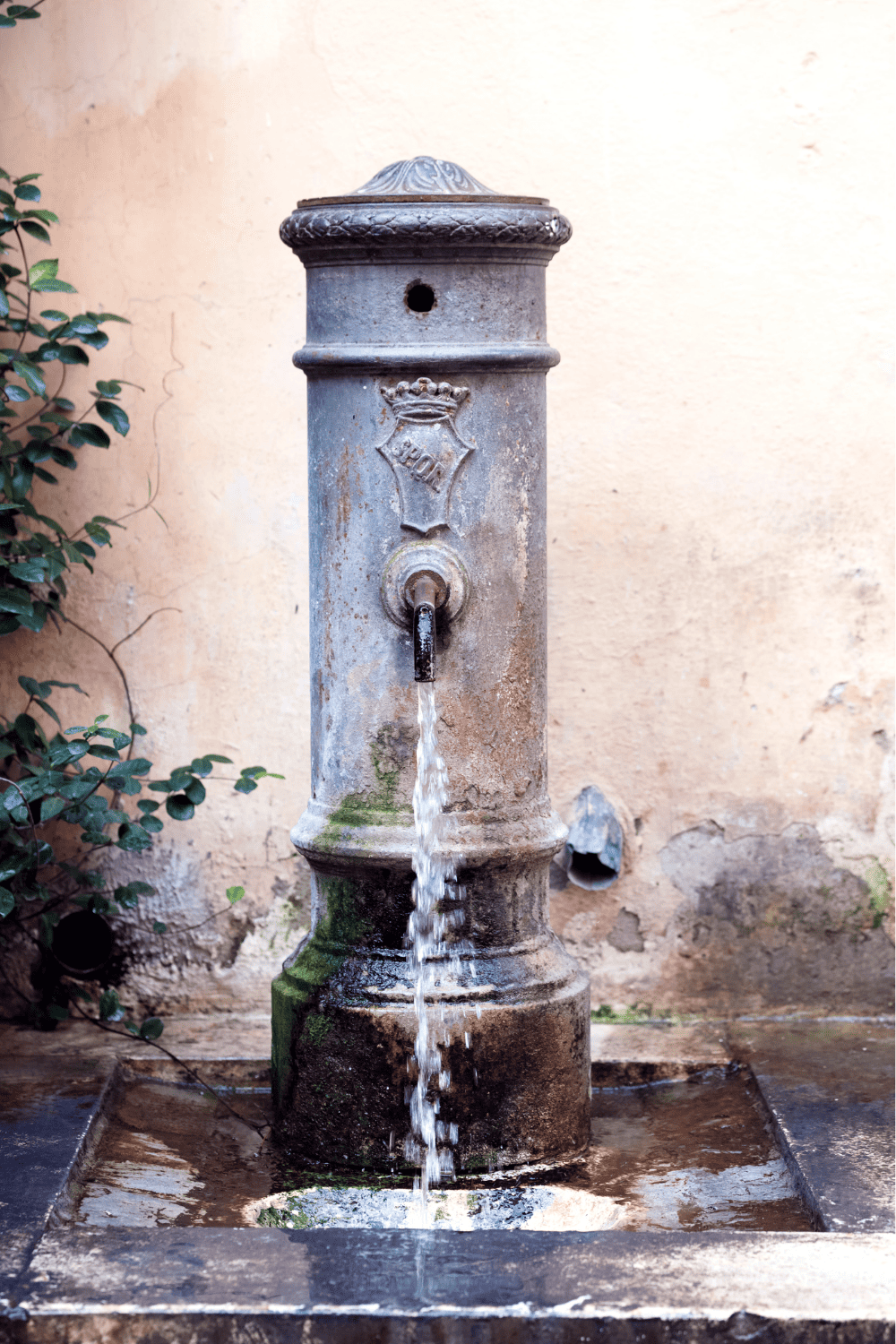
THE ROMAN NASONI: FROM THEIR ORIGINS TO THEIR CURRENT FORM
Bruschetta al Pomodoro: A Tasty Dive into Italian Language and Culture
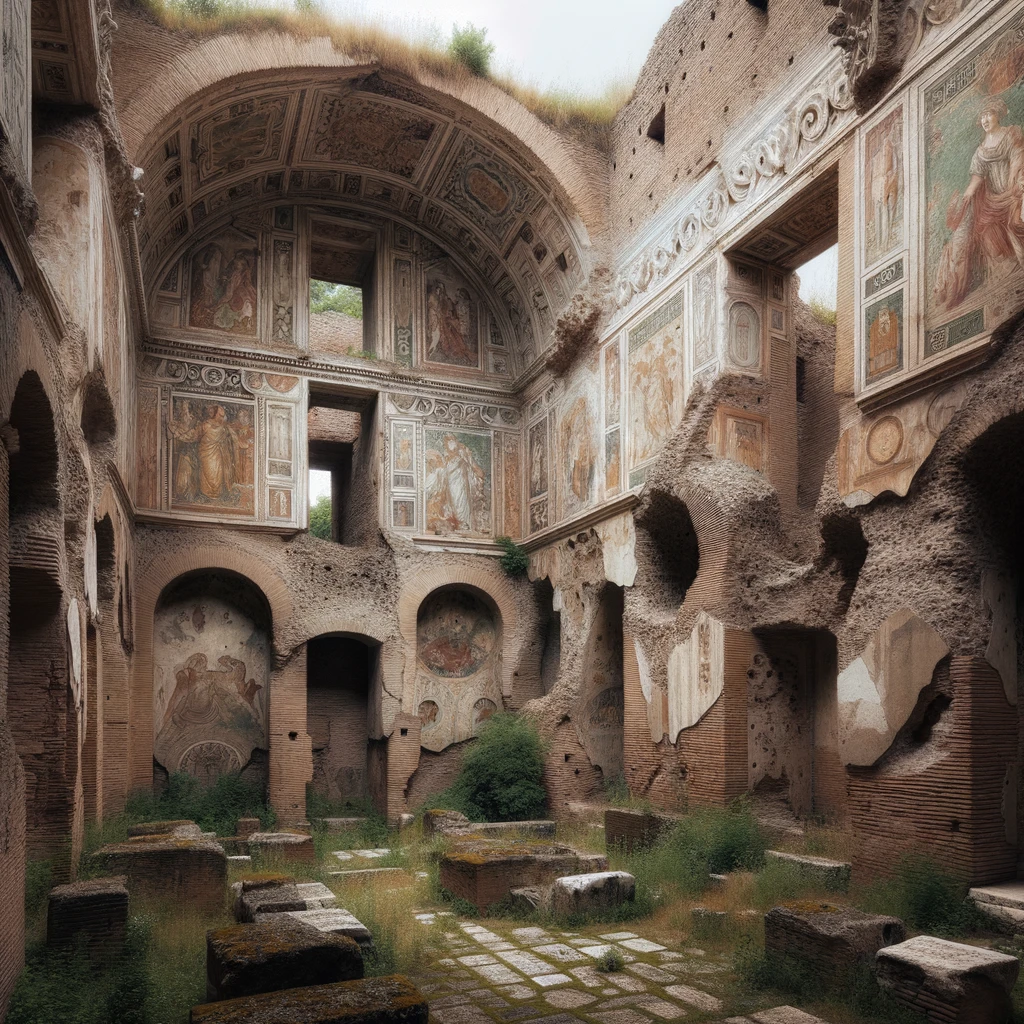
The Domus Aurea: Unearthing Nero’s Golden Palace in Rome
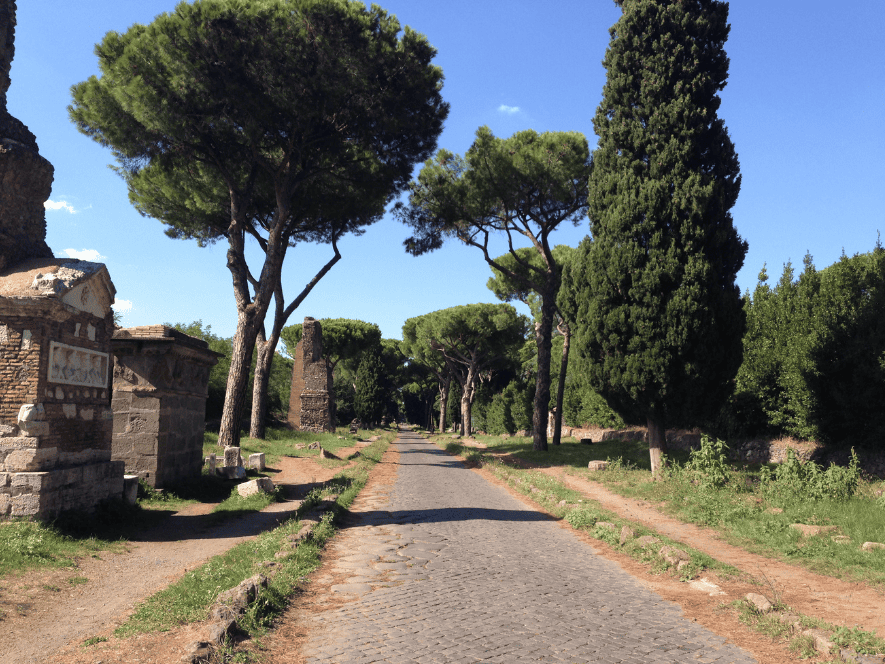
The Via Appia: Rome’s Ancient Highway and Its Historical Anecdotes

The Many Uses of the “Futuro” in Italian Language
Italian Lesson: The Verb “Avere” (To Have)
Italian Lesson: The Verb “Essere” (To Be)

Leonardo da Vinci: Genius of Art and Engineering
Giulio Cesare: A Remarkable Life in the Heart of the Roman Empire
The Rise and Fall of the Roman Empire: A Historical Timeline

Navigating Italian Citizenship and Beyond: CILS Certification B1 Exam Guide

Unlock Your Italian Dreams with a Study Visa for Language School in Italy
A Four-Week Adventure: Exploring Rome and Beyond

Your Ultimate Guide to Doing Erasmus in Rome
A Week in Rome: 7 Unforgettable Days of Culture and Adventure

How to Reach Napoli from Rome
How to introduce yourself correctly in Italian language
A journey through the splendors of Renaissance Rome
3 Must-Visit Squares When Exploring Napoli