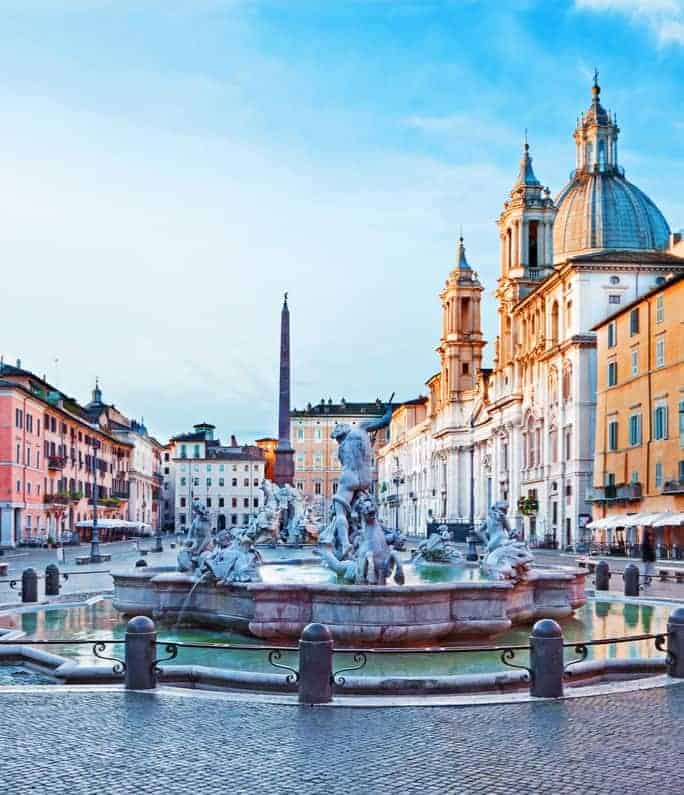
Italian Lesson: The Verb “Essere” (To Be)

Hello students! Today, we’re going to explore one of the most essential and commonly used verbs in the Italian language: “essere,” which translates to “to be” in English. It’s vital in both simple sentences and compound tenses, so understanding its conjugation and usage is crucial for anyone learning Italian.
1. Conjugation in the Present Tense
Just like the verb “to be” in English, “essere” in Italian is irregular, which means its forms don’t follow the typical patterns of regular verbs. Here is the present tense conjugation:
- Io sono = I am
- Tu sei = You are (informal singular)
- Lui/Lei è = He/She is
- Noi siamo = We are
- Voi siete = You are (plural or formal singular)
- Loro sono = They are
Examples:
- Io sono italiano. = I am Italian.
- Lui è un insegnante. = He is a teacher.
- Noi siamo felici. = We are happy.
2. Uses of “Essere”
a. Identifying and Describing: Just like “to be” in English, “essere” is used for identification and description.
- Maria è un’artista. = Maria is an artist.
- La casa è grande. = The house is big.
b. Origin and Nationality:
- Lei è francese. = She is French.
- Sono di Roma. = I am from Rome.
c. Talking about feelings, age, and other states:
- Io sono triste. = I am sad.
- Mia nonna è anziana. = My grandmother is old.
d. Essere is also used as an auxiliary verb in compound tenses for many verbs, especially those that are intransitive or reflexive.
- Lei è andata al mercato. = She went to the market.
3. Tips and Notes:
- Remember, Italian has formal and informal ways of addressing people. So, when speaking to strangers, elders, or superiors, you would use the formal “Lei” (with the verb form of the third person singular) rather than the informal “tu.”
- While “essere” is analogous to “to be,” there’s another verb, “avere” (to have), which also plays an auxiliary role in Italian. We’ll cover that in another lesson, but it’s important to remember that “essere” and “avere” have distinct roles in the construction of tenses.
Homework: Try forming five sentences in Italian using the verb “essere.” You can describe yourself, your family, or any other topic of your choice.
That’s it for today’s lesson on “essere.” Keep practicing its conjugation, and soon it’ll become second nature to you! Grazie and see you in the next lesson!
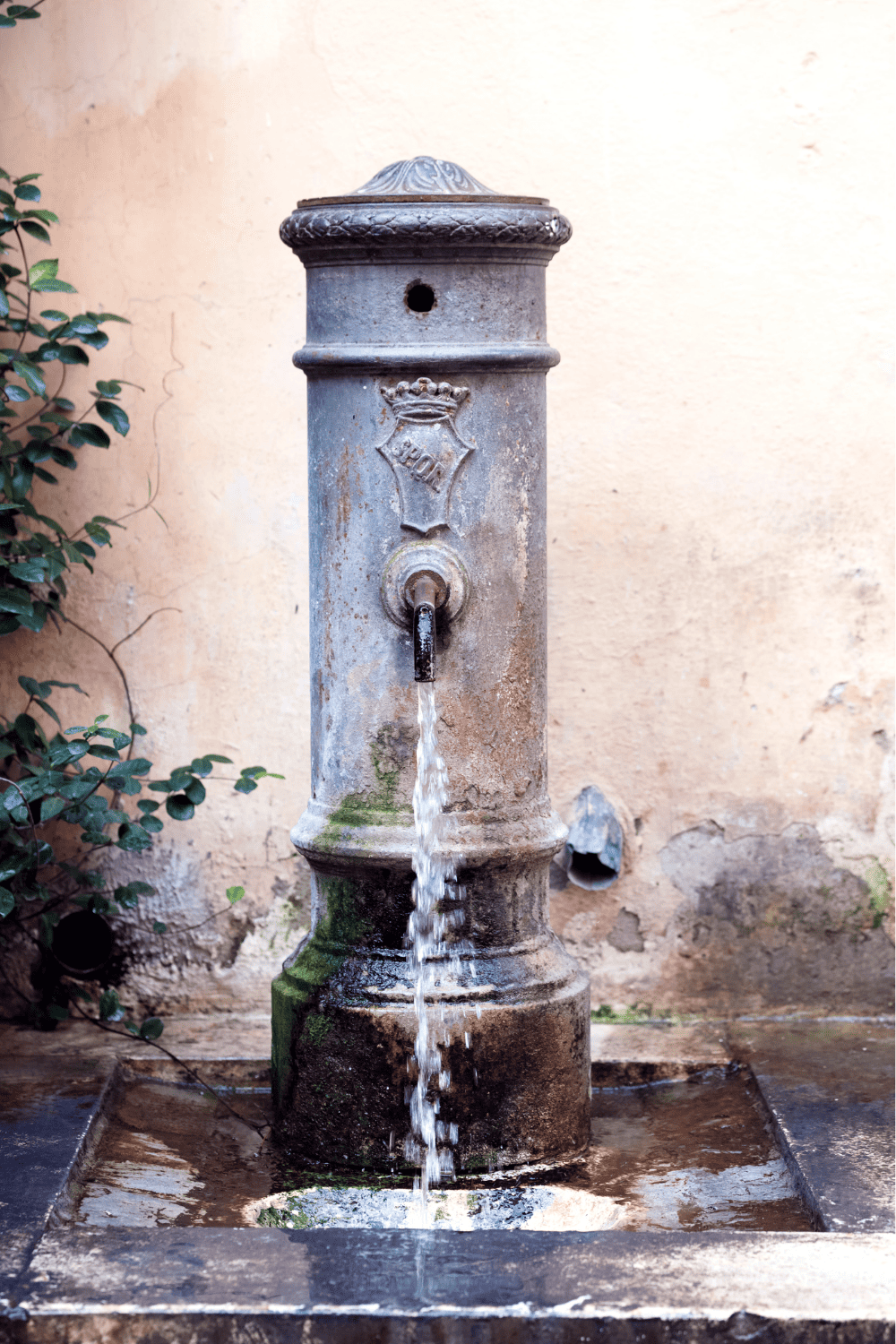
THE ROMAN NASONI: FROM THEIR ORIGINS TO THEIR CURRENT FORM
Bruschetta al Pomodoro: A Tasty Dive into Italian Language and Culture
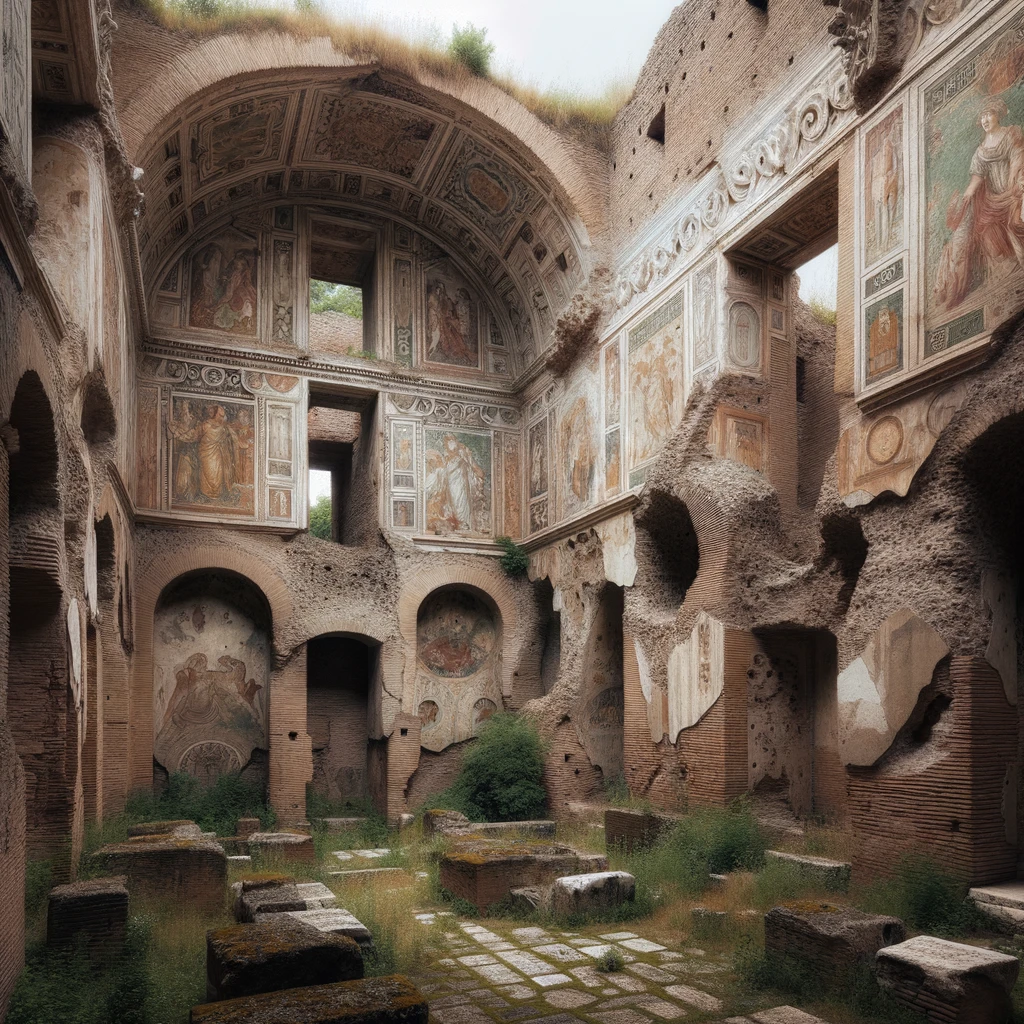
The Domus Aurea: Unearthing Nero’s Golden Palace in Rome
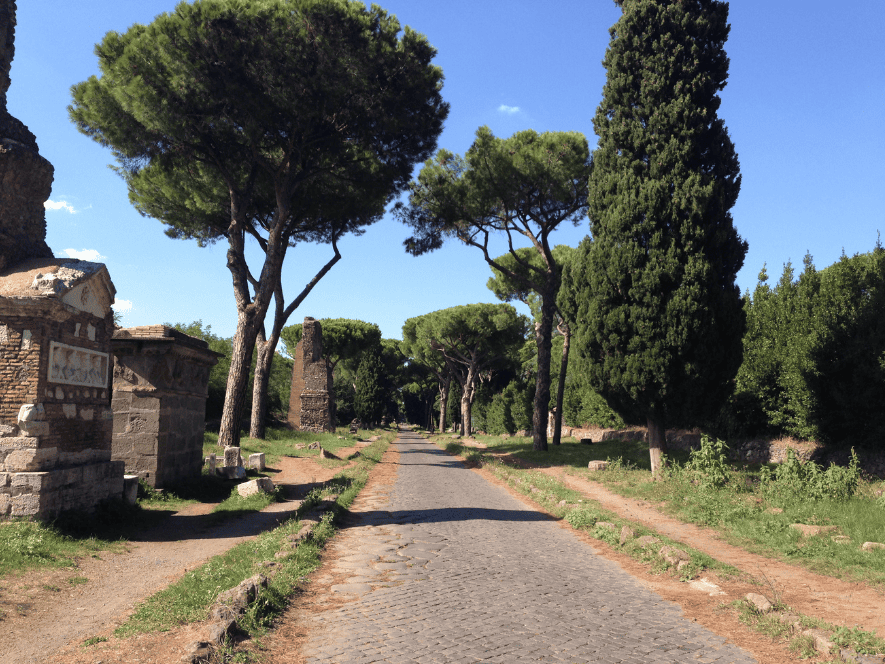
The Via Appia: Rome’s Ancient Highway and Its Historical Anecdotes

The Many Uses of the “Futuro” in Italian Language
Italian Lesson: The Verb “Avere” (To Have)
Italian Lesson: The Verb “Essere” (To Be)

Leonardo da Vinci: Genius of Art and Engineering
Giulio Cesare: A Remarkable Life in the Heart of the Roman Empire
The Rise and Fall of the Roman Empire: A Historical Timeline

Navigating Italian Citizenship and Beyond: CILS Certification B1 Exam Guide

Unlock Your Italian Dreams with a Study Visa for Language School in Italy

A Four-Week Adventure: Exploring Rome and Beyond

Your Ultimate Guide to Doing Erasmus in Rome

A Week in Rome: 7 Unforgettable Days of Culture and Adventure

How to Reach Napoli from Rome
How to introduce yourself correctly in Italian language

A journey through the splendors of Renaissance Rome

3 Must-Visit Squares When Exploring Napoli